Between Inspections: What Facility Managers Should Know About DAS Maintenance and Monitoring
For facility managers, property owners, and life safety directors, securing a Certificate of Occupancy or passing the local fire department's annual inspection is a major milestone. However, achieving compliance once does not mean your building remains compliant indefinitely. Public Safety Distributed Antenna Systems (DAS) and Emergency Responder Communication Enhancement Systems (ERCES) are mission-critical telecommunications infrastructure. When emergency personnel enter your building during a crisis, their portable radios must function flawlessly across every square foot: from subterranean parking levels to the highest mechanical penthouse.
Relying solely on the annual AHJ (Authority Having Jurisdiction) inspection creates a dangerous vulnerability. Between scheduled compliance tests, equipment degrades, structural alterations occur, and environmental factors can compromise RF (Radio Frequency) propagation. Implementing a robust, proactive maintenance and monitoring program is essential to eliminate radio dead zones and ensure 0% defects and 0% missed deadlines when it matters most.
Explore our comprehensive ERCES and DAS services to see how we protect commercial and institutional properties year-round.
1. Understanding the Anatomy of a Public Safety DAS and ERCES
To effectively manage system health between inspections, facility managers must understand the core technical components that comprise a code-compliant ERCES infrastructure. Unlike commercial cellular enhancement systems, public safety networks operate under rigorous life safety standards governed by IFC 510, NFPA 72, and NFPA 1225.

A standard public safety DAS architecture includes:
- Donor Antennas: Directional exterior antennas mounted on the roof, pointing directly toward the local public safety radio tower to capture inbound and outbound signals.
- Bi-Directional Amplifiers (BDAs): The core active hardware units that amplify weak signals coming into the building and boost outbound transmission power back to the public safety dispatch.
- Distribution Antenna Network: Interior coaxial cabling, fiber optic links, and passive/active internal antennas (omni-directional or directional) that distribute the amplified RF signal throughout the structure.
- Dedicated Battery Backup (NFPA-Compliant UPS): Secondary power sources designed to keep the system operational for 12 to 24 hours during a primary grid failure or building fire emergency.
- Annunciator and Alarm Monitoring Panel: A remote monitoring interface that continuously tracks system faults, power failures, and antenna malfunctions, signaling directly to the building's fire alarm control panel (FACCP).
Proper design and ongoing upkeep of these elements are vital. Learn more about securing your property's safety standing by reviewing our guide on The Ultimate Public Safety DAS & BDA Compliance Checklist.
2. What Happens Between Annual Inspections? Common Vulnerabilities
Building environments are rarely static. Over the course of a year, numerous physical, environmental, and operational changes can negatively impact DAS performance. Waiting for an annual inspection to discover these issues can result in costly occupancy delays, failed fire marshal sign-offs, and unacceptable public safety risks.
Common failure modes that develop over time include:
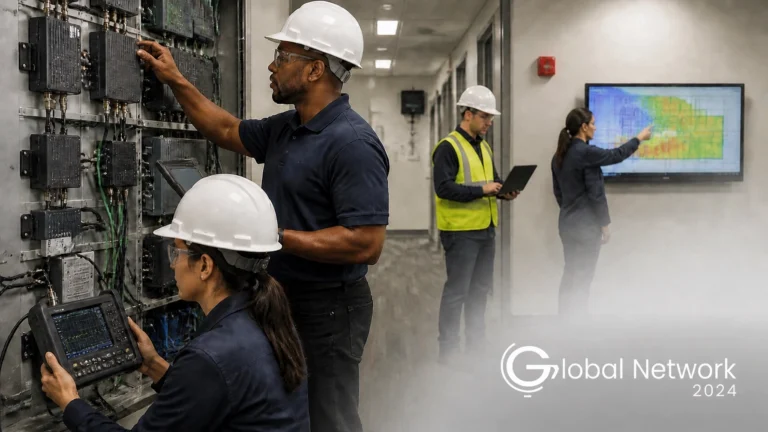
- Structural and Architectural Modifications: Interior renovations involving new metal stud walls, concrete partitions, low-E glass, or heavy machinery additions can drastically alter RF propagation paths, creating sudden dead zones.
- Moisture Intrusion and Environmental Wear: Roof leaks, condensation in utility closets, and thermal expansion can corrode exterior donor antennas, compromise coaxial connectors, and degrade active BDA components.
- Cabling and Component Strain: Contractors performing HVAC, electrical, or IT upgrades may accidentally pinch, cut, or exceed the strict bend radius guidelines of DAS coaxial and fiber optic cabling.
- Power Supply and Battery Degradation: Backup battery cells lose capacity over time due to ambient temperature fluctuations in equipment rooms, risking failure during a prolonged power outage.
- Firmware and Software Obsolescence: Outdated firmware in active BDAs and monitoring controllers can lead to operational inefficiencies, unlogged alarm faults, or compatibility issues with evolving carrier and FirstNet networks.
3. The Power of Remote Monitoring and Proactive Diagnostics
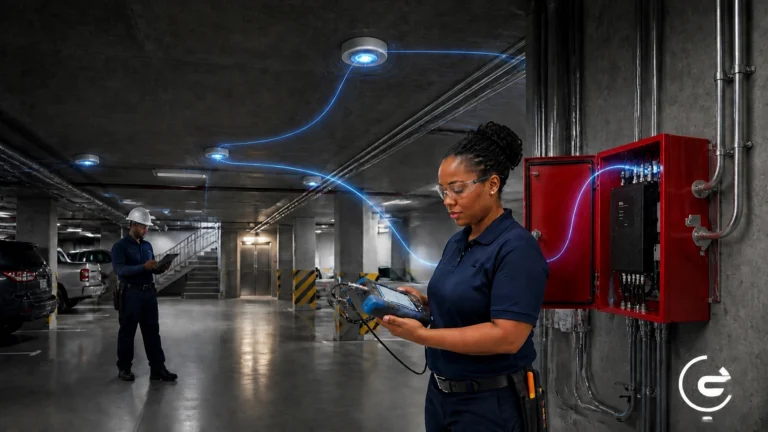
Relying on manual walk-arounds is no longer sufficient for complex commercial real estate, healthcare campuses, and high-rise structures. Modern ERCES solutions incorporate intelligent, continuous remote monitoring to safeguard infrastructure 24/7/365.

Remote monitoring systems track critical performance parameters in real-time, including:
- BDA Operational Status: Immediate alerts if an amplifier experiences thermal overload, gain degradation, or hardware failure.
- Donor Signal Stability: Continuous tracking of the exterior tower signal to detect degradation caused by neighboring construction or tower re-banding.
- Power and Battery Integrity: Instant notification of AC power loss, charger failures, or low battery voltage, ensuring compliance with strict NFPA monitoring rules.
- Active Path Monitoring: Verification of coaxial and fiber link integrity across distributed indoor antenna risers.
By capturing anomalies the moment they occur, facility teams can dispatch technicians for targeted troubleshooting before minor faults cascade into full system outages. Discover our foundational approach by visiting our About Us page.
4. Best Practices for Facility Managers: A Proactive Maintenance Protocol
Establishing a structured internal maintenance protocol ensures your public safety wireless network remains audit-ready every single day of the year.

Implement Strict Change-Control Procedures
Require all internal trades, low-voltage contractors, and general construction teams to notify facility management prior to cutting walls, mounting heavy metallic fixtures, or re-routing conduits. Any structural change near DAS risers or antennas mandates an immediate RF review.
Conduct Routine Physical Walk-Downs
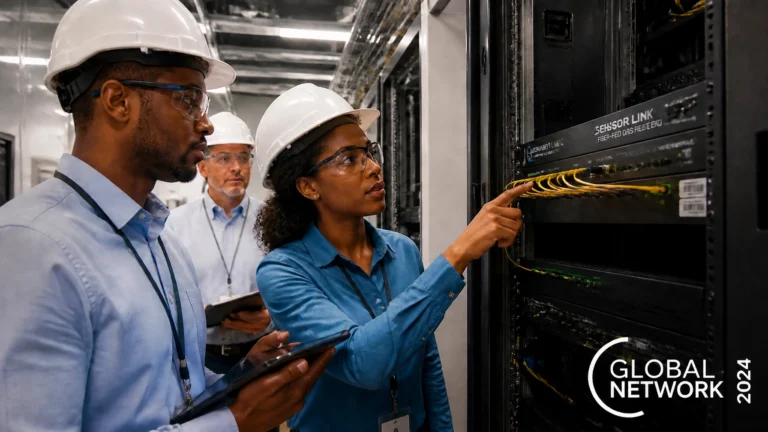
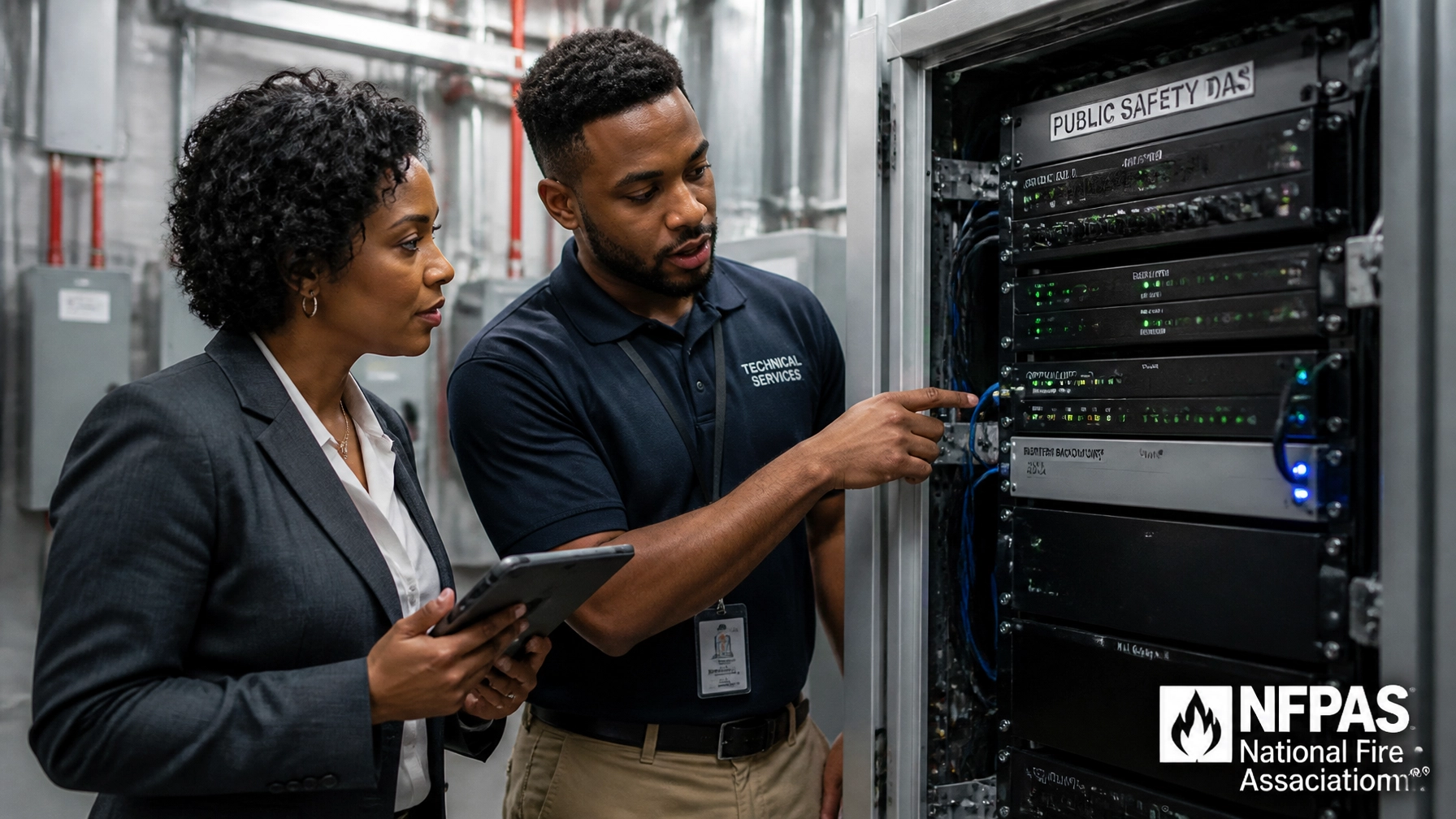
Perform monthly or quarterly visual inspections of telecommunications rooms and equipment enclosures. Verify that:
- Equipment racks are secure, clean, and free of unauthorized storage or debris.
- Ventilation fans are functioning and ambient temperatures remain within manufacturer specifications.
- Indicator lights on BDAs and repeater units show normal operating statuses without error flags.
Partner with Certified Public Safety Integrators
Commercial cellular DAS and public safety ERCES are governed by entirely different legal frameworks and technical standards. Always engage certified local specialists who understand regional AHJ amendments, IFC 510 codes, and FirstNet compatibility requirements.
5. Ensuring 100% Compliance and Total Peace of Mind
Compliance is not a seasonal checkbox; it is an ongoing commitment to the safety of your building occupants and the brave first responders who protect them. When emergency services arrive at your facility, clear, uninterrupted communication is the single most critical factor in mitigating disaster.

By combining rigorous internal oversight, advanced remote monitoring, and scheduled annual testing with Atlanta's trusted DAS experts, your property achieves complete regulatory alignment and uncompromised safety readiness.
Secure Your Building's Wireless Infrastructure Today
Do not wait for an inspection failure or an emergency radio blackout to test the reliability of your in-building wireless system. Partner with Global Network LLC, Atlanta's premier specialist in Public Safety DAS, BDA technology, and ERCES compliance.
- Office: 770.520.7633
- Toll-Free: 877.231.1084
- Website: globalnetworkco.com
Contact our engineering team today to schedule your comprehensive DAS health check, review your remote monitoring capabilities, and guarantee absolute code compliance for your facility.