
How to Integrate ERCES Planning Into Your 2027 Capital Budget
For building owners, facility managers, developers, general contractors, and government agencies, ERCES planning should begin well before a project reaches final inspection.
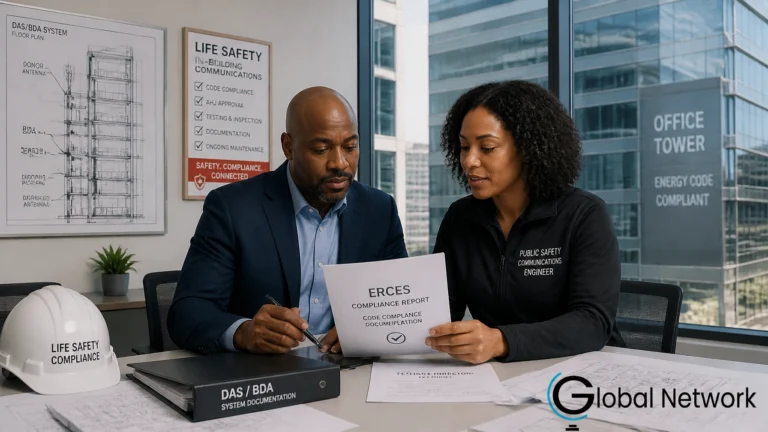
An Emergency Responder Communication Enhancement System, also called a Public Safety DAS or BDA system, can be essential to obtaining a Certificate of Occupancy, satisfying the local AHJ, and protecting first responders when it matters most.
If ERCES work is omitted from the 2027 capital plan, the result may be more than an unexpected construction expense. It can create:
- Failed radio coverage testing
- Delayed inspections and occupancy
- Unplanned change orders
- Emergency design revisions
- Increased liability exposure
- Disruption to tenants, staff, and visitors
The most effective strategy is straightforward: treat ERCES as a life-safety capital project, not as an optional technology upgrade.
Why ERCES Belongs in the 2027 CapEx Plan
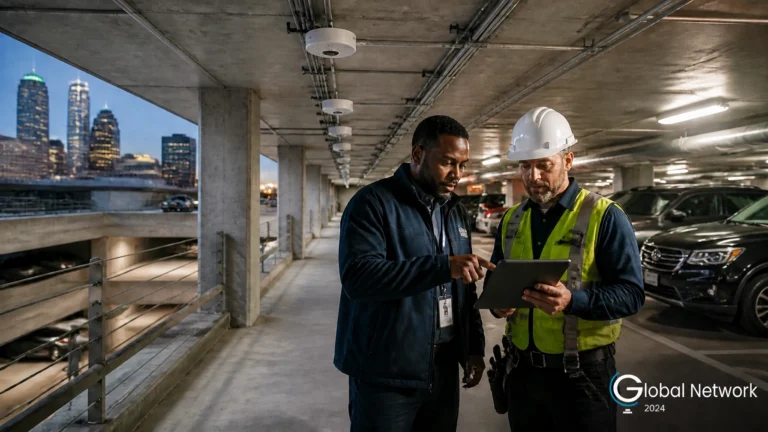
Modern construction materials (including reinforced concrete, structural steel, Low-E glass, and dense interior finishes) can significantly reduce RF signal penetration. A building may have reliable outdoor radio service while still containing dead zones in stairwells, parking decks, elevator lobbies, and below-grade areas.
That is why IFC 510, NFPA 72, and NFPA 1225, where adopted, establish requirements for reliable emergency responder communications.
ERCES Is Connected to Occupancy and Compliance
In many jurisdictions, the building’s public safety radio coverage must be:
- Surveyed and documented
- Designed by qualified professionals
- Installed using compliant equipment and pathways
- Integrated with fire alarm supervision
- Tested on primary and secondary power
- Accepted by the AHJ before occupancy
Atlanta Fire Rescue’s Office of the Fire Marshal ERCES requirements should be reviewed at the beginning of project planning. Local requirements, submittal procedures, and acceptance expectations can affect both cost and schedule.
0% Missed Deadlines begins with an early budget authorization.
Start With a Building-Specific RF Assessment
A preliminary budget should not rely solely on square footage or a generic allowance. ERCES cost is determined by the building’s physical characteristics, radio environment, construction phase, and AHJ requirements.
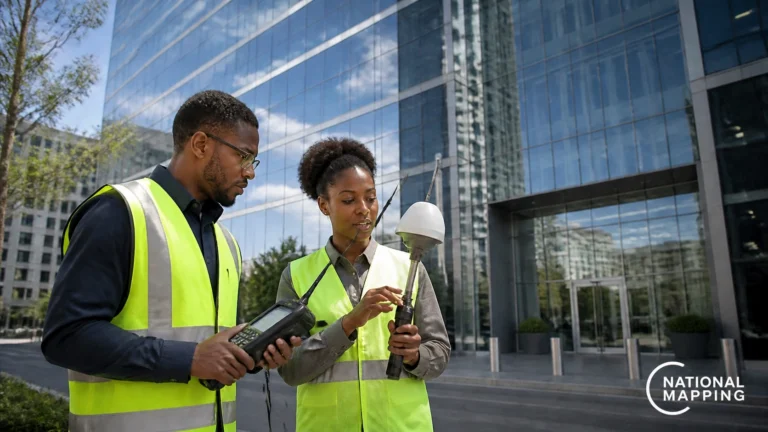
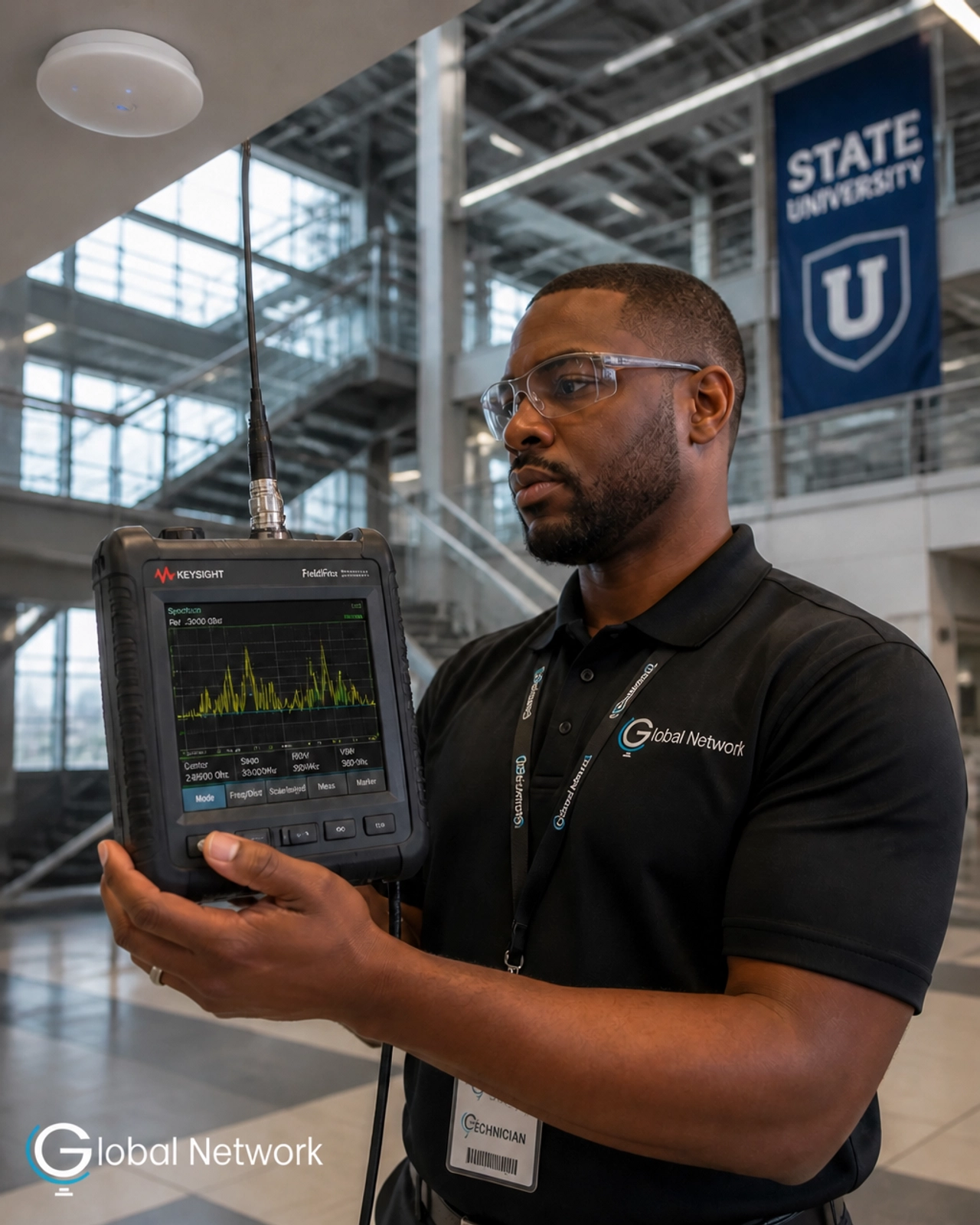
Begin with a professional RF survey or signal benchmark.

What the Initial Assessment Should Identify
A qualified assessment should evaluate:
- Existing public safety radio signal levels
- DAQ performance and voice intelligibility
- Coverage in critical areas
- Basement and parking garage conditions
- Stairwells and exit passageways
- Fire command center locations
- Fire pump rooms and standpipe cabinets
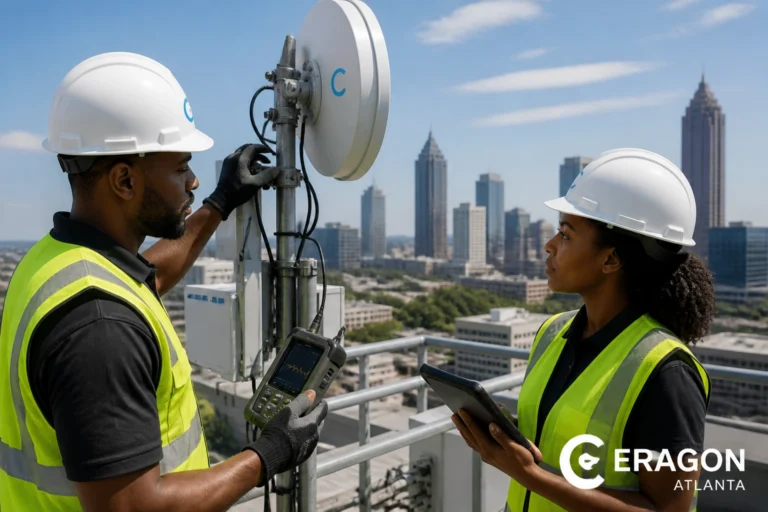
- Potential donor antenna locations
- Available equipment and electrical rooms
- Existing cable pathways and fire-rated assemblies
- Potential interference with other wireless systems
- FirstNet and relevant public safety band requirements
Testing should identify whether the building needs a full ERCES installation, targeted remediation, or a more extensive retrofit.
Why Early Testing Reduces Budget Risk
An early RF survey gives the owner better information before construction funds are committed. It can reveal whether the project will require:
- One or multiple BDA units
- Coaxial cable or fiber distribution
- Additional antennas
- New riser pathways
- Dedicated backup power
- Fire-rated cable protection
- Additional equipment rooms
- Structural support for rooftop donor antennas
This information is more valuable than a preliminary estimate based only on building area.
Build the ERCES Budget by Cost Component
A strong 2027 capital request should separate ERCES into clear work packages. This makes bids easier to compare and helps stakeholders understand why the system is required.
1. Survey, Engineering, and Design
Include allowances for:
- Site survey and RF testing
- Building plans and floor-grid development
- RF propagation modeling
- System design and engineering
- Donor antenna evaluation
- Critical-area mapping
- Frequency and interference analysis
- AHJ coordination and plan revisions
For early planning, some owners carry an initial survey and design allowance before authorizing construction. Final pricing should follow the building-specific assessment.
2. Permits and AHJ Coordination
Permit and review costs vary by jurisdiction. The budget should include:
- ERCES permit fees
- Plan review fees
- Engineering seals where required
- AHJ meetings and submittal coordination
- Revisions requested during review
- Inspection scheduling
- Acceptance documentation
In Atlanta and throughout Georgia, the responsible AHJ may vary by municipality, county, facility type, and adopted code edition. Do not assume that a system accepted in one jurisdiction will automatically satisfy another.
3. Active and Passive System Equipment
Typical equipment and infrastructure may include:
- UL 2524-listed BDA or active RF equipment
- Donor antenna and rooftop hardware
- Distributed antennas
- Coaxial cable, fiber, splitters, and couplers
- Surge protection and grounding
- Enclosures and equipment racks
- Dedicated battery backup
- Chargers and power supplies
- Fire alarm interface modules
- Monitoring and annunciation components
Equipment should be selected based on the AHJ’s requirements, required radio bands, system architecture, and long-term serviceability, not solely on initial purchase price.

4. Installation and Pathways
Installation costs can increase substantially when ERCES is added after walls, ceilings, and shafts are complete.
Coordinate early with the design and construction teams on:
- Riser locations
- Cable tray and conduit
- Two-hour fire-rated pathways where required
- Rooftop penetrations
- Equipment room access
- Electrical service
- Generator or emergency power interfaces
- Antenna mounting
- Grounding and bonding
- Firestopping
For preliminary planning, some market estimates place complete ERCES work in a broad range of approximately $50,000 to more than $500,000, depending on building size, complexity, donor signal, retrofit conditions, and coverage requirements. A planning allowance of approximately $0.75 to $2.00 per square foot may help establish an early order of magnitude, but it is not a bid.
5. Testing, Commissioning, and Closeout
The capital budget must include the final steps required to prove performance:
- Commissioning
- Acceptance testing
- Grid testing
- Talk-in and talk-out testing
- Primary-power testing
- Secondary-power testing
- Fire alarm supervisory verification
- Battery load testing
- As-built drawings
- Test reports and certifications
- Owner training
- AHJ inspection support
0% Defects means budgeting for verification, not just installation.
Plan for Recurring Operating Costs
ERCES is not a one-time project that can be ignored after the Certificate of Occupancy is issued.
A recurring operating budget should account for:
- Annual performance testing
- Preventive maintenance
- Battery inspection and replacement
- Monitoring service
- Repairs and corrective work
- Post-renovation testing
- Documentation updates
- Equipment replacement reserves
Annual inspection and recertification costs can vary widely, with preliminary industry planning allowances often ranging from approximately $3,000 to $15,000 per year.
The owner should create a dedicated ERCES maintenance line item rather than forcing future testing into a general facilities budget.
Use a Three-Stage 2027 Funding Model
A phased funding structure gives leadership better control over project risk.
Phase 1: Planning Authorization
Fund the work needed to establish a reliable scope:
- RF survey
- Preliminary design
- Code and AHJ review
- Donor signal evaluation
- Construction coordination
- Preliminary cost estimate
Phase 2: Construction Authorization
After the design and AHJ path are understood, authorize:
- Equipment procurement
- Cabling and pathways
- BDA and antenna installation
- Backup power
- Monitoring integration
- Permits and inspections
Phase 3: Closeout and Lifecycle Reserve
Reserve funds for:
- Commissioning
- Acceptance testing
- Corrective work
- As-built documentation
- Owner training
- Annual testing
- Battery replacement
- Future modifications
This approach reduces the risk of approving a single uncertain lump sum and discovering later that testing, permitting, or closeout was excluded.
Coordinate FirstNet Without Confusing It With ERCES
FirstNet and ERCES can support public safety communications, but they are not automatically the same system.
ERCES is generally focused on emergency responder radio coverage and AHJ life-safety requirements. FirstNet is a dedicated public safety broadband network, including Band 14 service. A commercial cellular DAS or FirstNet solution may not satisfy the building’s ERCES obligation.
When both systems are needed, require the design team to address:
- Band and frequency compatibility
- RF isolation and interference control
- Carrier or system-owner approvals
- Shared antenna considerations
- Separate monitoring requirements
- AHJ acceptance criteria
- Future expansion capacity
Treat FirstNet enhancements as a coordinated or separately priced scope unless the AHJ specifically requires integration.
Get Quotes Before the Capital Deadline
The best time to request ERCES proposals is before the final 2027 budget is approved.
Provide bidders with:
- Current architectural plans
- Building area and floor count
- Construction type
- Project schedule
- Existing RF test results
- Critical-area requirements
- Electrical and pathway information
- AHJ correspondence
- FirstNet objectives
- Required testing and documentation
Ask each contractor to identify exclusions, assumptions, escalation, permits, testing, monitoring, and annual maintenance separately.
For additional planning guidance, review Global Network LLC’s public safety DAS and ERCES resources, including the Certificate of Occupancy compliance checklist.
Make Compliance a Capital Priority
A properly planned ERCES project provides more than technical coverage. It provides:
- Peace of mind for building owners
- A clearer path to AHJ approval
- Reduced occupancy-delay risk
- Better control over capital costs
- Reliable communication when it matters most
- A documented lifecycle plan for future compliance
The 2027 capital budget should state the project clearly:
Provide funding for ERCES survey, design, AHJ coordination, permits, UL 2524-compliant equipment, BDA and DAS installation, backup power, NFPA 72 supervisory monitoring, acceptance testing, commissioning, and annual maintenance.
Do not wait for a failed inspection or a construction change order to identify the need.
Plan Your 2027 ERCES Budget With Global Network LLC
Global Network LLC supports Atlanta and Georgia building owners, facility managers, developers, GCs, and public agencies with ERCES design, Public Safety DAS installation, BDA integration, compliance testing, commissioning, and annual performance testing.
Protect your Certificate of Occupancy timeline. Build a defensible capital request. Keep first responders connected when it matters most.
Office: 770.520.7633
Toll Free: 877.231.1084
Website: globalnetworkco.com