Renovating Your Space? Why Tenant Improvements Can Break Your ERCES Compliance
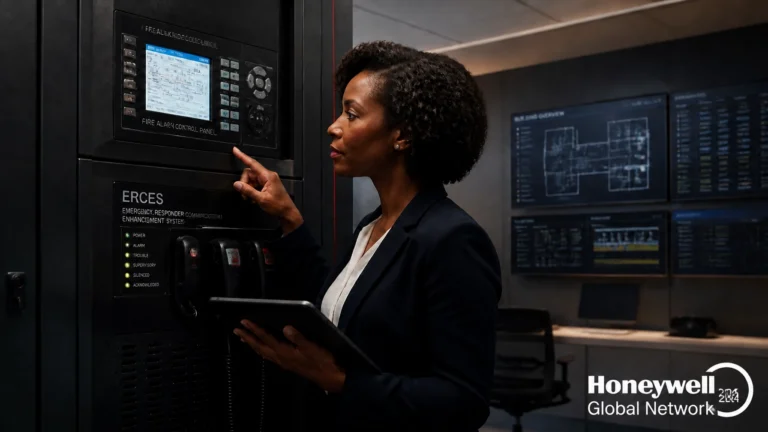
Commercial real estate is constantly evolving. Whether you are reconfiguring floor plates for a corporate headquarters, redesigning retail storefronts, or modernizing healthcare suites, Tenant Improvements (TI) are essential to maintaining asset value and tenant satisfaction. However, amidst the framing, drywall installation, and architectural finish upgrades, a critical life-safety vulnerability is frequently overlooked: your Emergency Responder Communication Enhancement System (ERCES) and Public Safety Distributed Antenna System (DAS).
When interior walls shift, materials change, or demising partitions are reconfigured, the radio frequency (RF) propagation environment inside your building is fundamentally altered. For facility managers and building owners striving to secure a Certificate of Occupancy (CO) or maintain ongoing safety standards, failing to account for TI impacts can trigger catastrophic inspection delays, regulatory fines, and severe compromises in first responder communication when it matters most.
The Hidden RF Impact of Commercial Renovations
Under modern fire codes: including IFC 510, NFPA 72, and NFPA 1225: buildings must maintain reliable two-way radio coverage for police, firefighters, and emergency medical personnel across a minimum of 99% of critical areas and 90% of general areas.
When a commercial space undergoes tenant improvements, the physical barriers that dictate how radio waves travel through concrete, steel, and glass are rearranged. A layout that passed initial commissioning can easily become an impenetrable dead zone after routine remodeling.
Common TI Triggers That Disrupt ERCES Performance
- Addition or Removal of Interior Partitions: Installing new metal stud framing or solid core demising walls increases signal attenuation and creates unexpected RF shadows.
- Low-E Glass and Specialized Glazing: Upgrading exterior or interior windows with energy-efficient Low-E coatings drastically blocks incoming emergency radio signals from public safety towers.
- Ceiling and Plenum Modifications: Relocating cable trays, HVAC ductwork, and suspended ceiling grids can obstruct coaxial cable runs, antenna radiation patterns, and BDA signal distribution paths.
- Mezzanines and Floor Additions: Expanding usable square footage alters structural density and changes signal propagation pathways across multi-floor complexes.

Code Compliance Mandates and Authority Having Jurisdiction (AHJ) Rules
Compliance with life-safety regulations is non-negotiable. Local Authorities Having Jurisdiction (AHJs) and Fire Marshals enforce strict rules regarding modifications to life-safety infrastructure.
Why Structural Changes Demand Mandatory Re-Testing
According to model fire code provisions, any addition, remodel, or tenant improvement that materially alters the interior construction or RF environment triggers mandatory inspection and re-testing of the ERCES/BDA system. Assuming that an existing Bi-Directional Amplifier (BDA) system will automatically cover a newly remodeled floor plate is a costly mistake.
- 0% Tolerance for Dead Zones: Fire Marshals require verifiable proof that public safety radio channels maintain strict signal strength thresholds (typically meeting minimum $-95\text{ dBm}$ signal levels) post-construction.
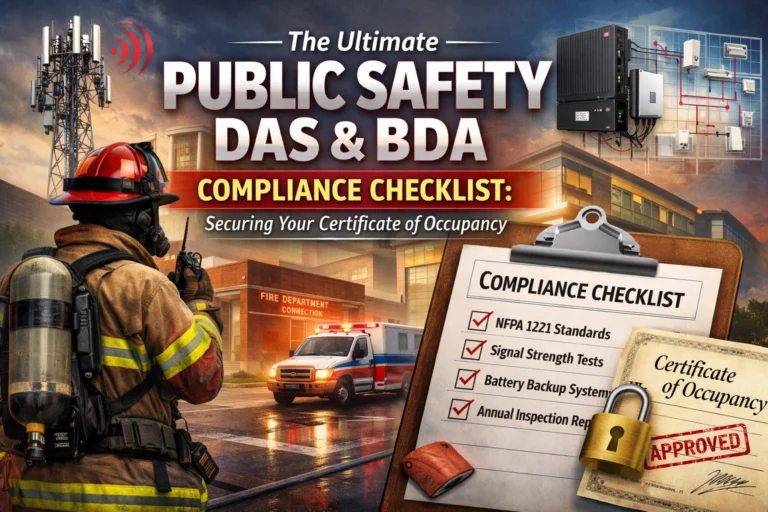
- 0% Missed Deadlines: Occupancy permits are routinely withheld until official, certified test reports are submitted and approved by the local fire prevention bureau.
To ensure absolute adherence to regulatory expectations, property owners must integrate life-safety planning into the earliest phases of TI design.
Strategic Planning: How to Protect Your ERCES Compliance During TI Work
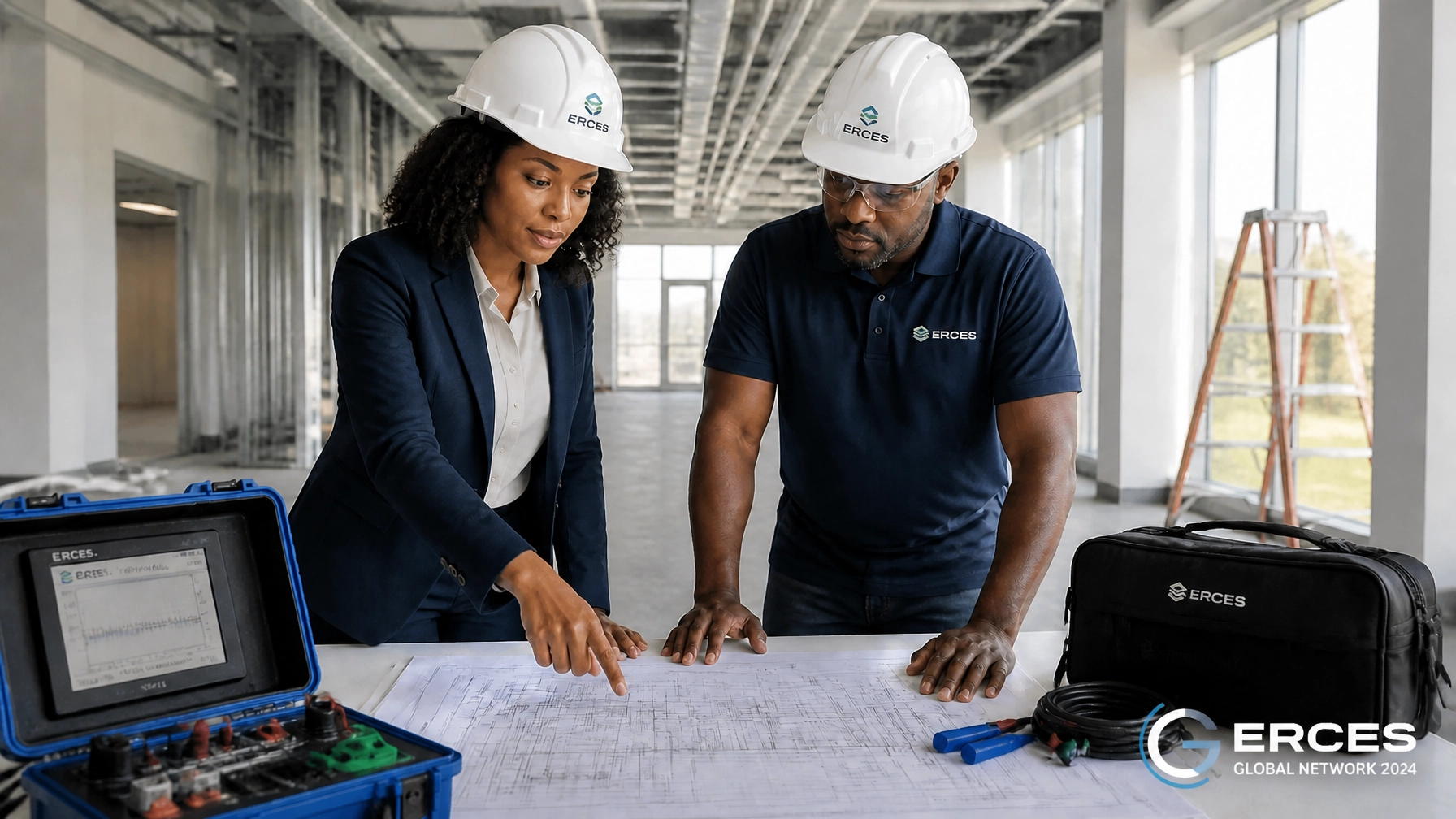
Navigating tenant improvements without risking your Certificate of Occupancy requires a disciplined, proactive methodology. By partnering with dedicated telecommunications infrastructure specialists early in the renovation lifecycle, you establish a seamless bridge between architectural design and fire code compliance.
1. Conduct Pre-Construction and Post-Construction RF Baseline Audits
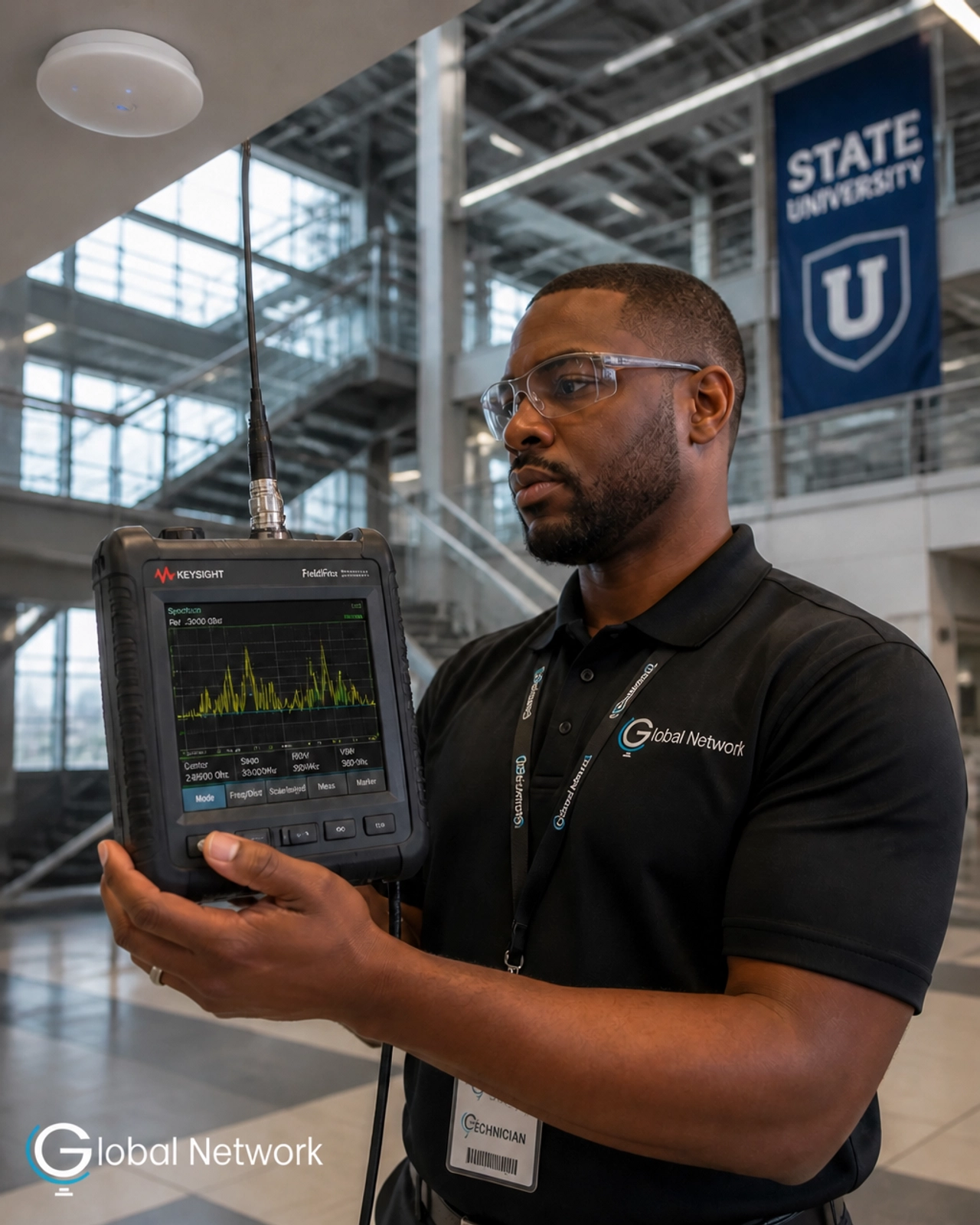
Before a single wall is demolished, commission a comprehensive baseline walk-test. This establishes clear documentation of existing coverage levels. Once TI construction reaches substantial completion, post-construction verification surveys generate updated heat maps and pass/fail logs required for AHJ sign-off.
2. Coordinate System Modifications with Certified Specialists
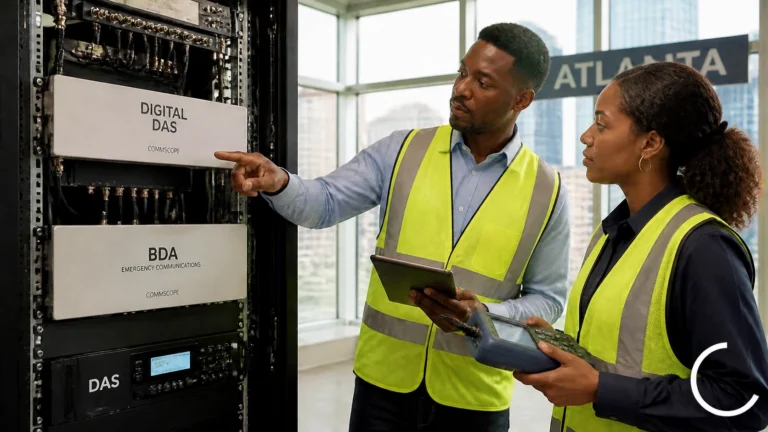
Commercial cellular DAS vendors often lack the specialized credentials, public safety frequency filtering requirements, and municipal permitting experience necessary for code-mandated ERCES. Ensure that any modifications to coaxial cabling, donor antennas, or active BDA units are executed by licensed professionals who specialize in Public Safety DAS and ERCES design.

3. Incorporate Life-Safety Budgets into Lease and Project Agreements
Just as fire sprinkler relocation and emergency lighting are standard line items in commercial renovation budgets, ERCES testing, engineering reviews, and potential hardware upgrades must be explicitly factored into project financial planning from day one. Clear lease language should dictate responsibilities between landlords and tenants regarding life-safety infrastructure integrity.
Maintaining Continuous Corporate Responsibility and Safety Standards
At Global Network LLC, our mission is rooted in uncompromising dedication to public safety, workforce protection, and community resilience. We recognize that every commercial building represents a dynamic ecosystem where human lives depend on reliable, uninterrupted connectivity.
Our corporate philosophy demands rigorous adherence to ethical standards, regulatory transparency, and technical excellence across every project phase. We believe that true corporate responsibility extends beyond minimum legal requirements; it encompasses proactive education, flawless execution, and a steadfast commitment to safeguarding first responders when emergencies strike.
Core Pillars of Our ERCES Services
- Comprehensive Design and Engineering: Custom-tailored DAS and BDA architecture engineered to meet rigorous NFPA and IFC mandates.
- Rigorous Commissioning and Acceptance Testing: Flawless verification protocols delivering documented proof of compliance for AHJ review.
- FirstNet Compatibility: Advanced system designs engineered to support secure, high-bandwidth communications for emergency services.
- Ongoing Maintenance and Annual Certification: Proactive monitoring, battery backup verification, and scheduled recertification to prevent compliance lapses.

Secure Your Occupancy and Protect Your Investment Today
Do not let unexpected radio dead zones or unapproved tenant renovations jeopardize your project timeline or delay your Certificate of Occupancy. Whether you are planning major structural renovations or need urgent compliance verification, proactive planning is your best defense.
Take control of your facility's safety today. Partner with Atlanta’s trusted local experts in in-building wireless communication and public safety compliance.
- Call our office directly at: 770.520.7633
- Reach us toll-free at: 877.231.1084
- Explore our full range of compliance solutions and service offerings at: Global Network LLC
Ensure 100% compliance, protect first responders, and secure your building's future with Global Network LLC.