Atlanta BDA Specialist Secrets: How to Pass Your Next Fire Marshal Radio Inspection
For developers, building owners, and general contractors in the Atlanta metropolitan area, the path to a Certificate of Occupancy (CO) is often paved with complex regulatory hurdles. Among the most critical: and frequently misunderstood: is the Fire Marshal Radio Inspection. In an era where first responder safety is non-negotiable, ensuring that your facility provides seamless radio coverage for emergency services is a legal and ethical mandate.
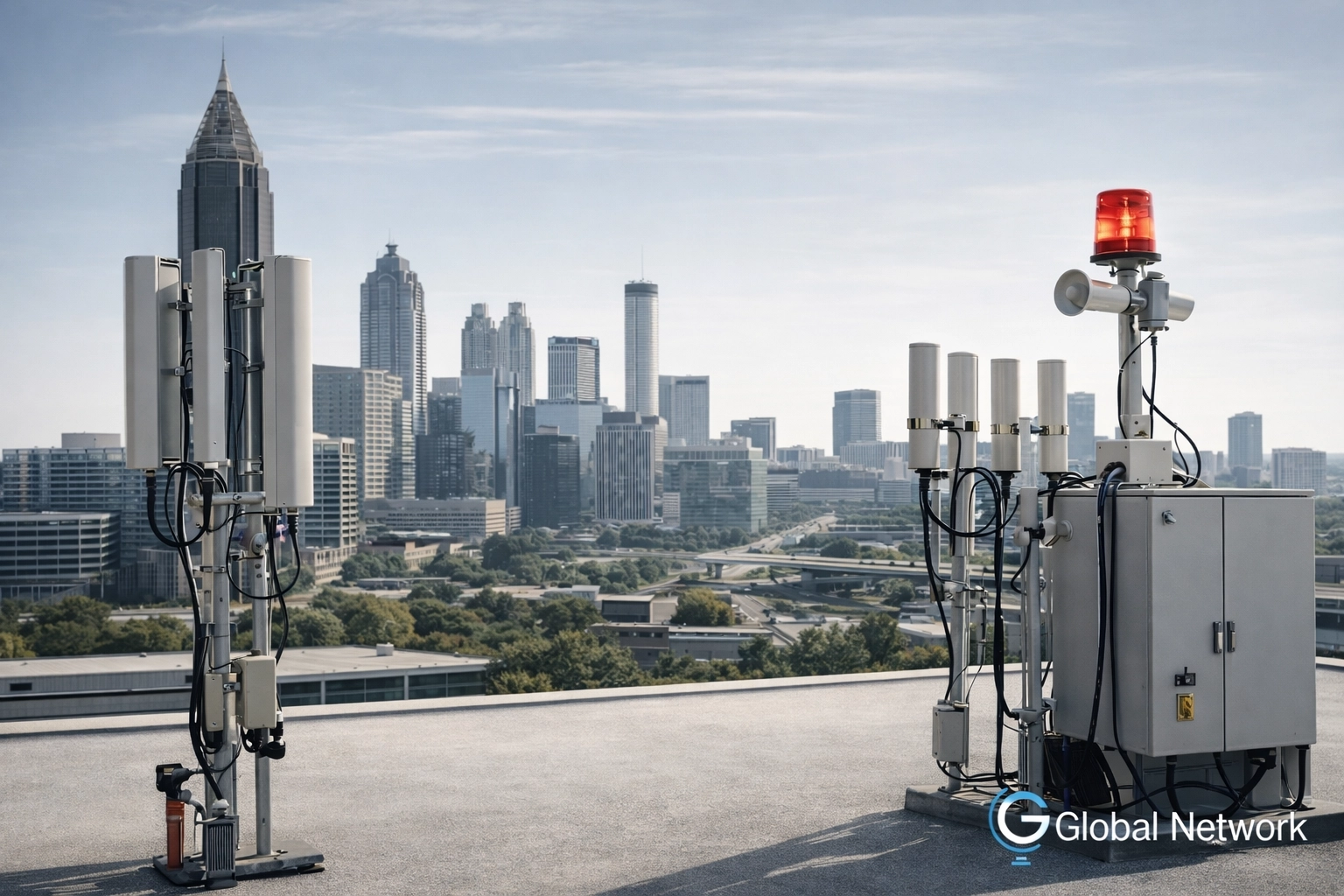
When the Atlanta Fire Rescue Department (AFRD) or local county authorities step onto your site, they aren’t just checking for fire extinguishers and exit signs. They are verifying the integrity of your Emergency Radio Communication Enhancement System (ERCES). If your building’s structural materials: such as low-E glass, reinforced concrete, or metal shelving: block the critical radio signals used by police and fire departments, your project will come to a grinding halt.
This guide reveals the "secrets" utilized by an Atlanta BDA Specialist to ensure your building meets the stringent requirements of IFC 510 and NFPA 1221, securing your compliance and providing ultimate peace of mind.
The Regulatory Landscape: IFC 510 and NFPA 1221
To navigate the inspection process, you must first understand the codes that govern it. In Georgia, and specifically within the City of Atlanta, the International Fire Code (IFC) Section 510 and the National Fire Protection Association (NFPA) 1221 (now transitioning to NFPA 1225) serve as the benchmarks for public safety communication.
IFC 510: The Foundation of Compliance
IFC 510 dictates that all new buildings must have approved radio coverage for first responders. This code specifies the signal strength required throughout the building, typically measured in dBm. Most jurisdictions require a minimum signal strength of -95 dBm in 95% to 99% of the building, depending on whether the area is considered "critical" (like stairwells, elevator lobbies, and fire pump rooms) or "general."
NFPA 1221: The Technical Standard
While IFC 510 tells you that you need coverage, NFPA 1221 provides the technical blueprint for how the system must be installed and maintained. Key requirements include:
- NEMA 4/4X Enclosures: All active components must be housed in enclosures that protect against dust and water.
- Battery Backup: The system must remain operational for at least 24 hours in the event of a primary power failure.
- Monitoring: The BDA (Bi-Directional Amplifier) system must be tied into the building’s fire alarm control panel to provide real-time alerts for component failure or antenna malfunction.
Secret #1: The Criticality of the Initial Signal Audit
One of the most common mistakes project managers make is waiting until the end of construction to think about radio coverage. An Atlanta BDA Specialist knows that the secret to a 0% failure rate is the Initial Signal Audit.
Before the walls are closed and the finishes are applied, a specialist performs a baseline "grid test." By measuring the existing signal strength from the donor tower outside the building and comparing it to the penetration levels inside, we can determine exactly where the dead zones will occur.
Proactive Testing Saves Capital. By identifying the need for a Bi-Directional Amplifier (BDA) system early, you avoid the exorbitant costs of retrofitting a completed building. If you are unsure of your current status, you should ensure your public safety DAS system is compliant – schedule a test immediately.
Secret #2: Mastery of Local Atlanta Frequencies
Every municipality has its own unique radio signature. A BDA system that works in Gwinnett County might fail miserably in Downtown Atlanta because the frequencies and tower locations are different.
An expert specialist maintains a database of the specific P25 (Project 25) digital radio frequencies used by the Atlanta Fire Rescue Department and the Fulton County Sheriff’s Office. Precision Tuning is the secret. If the BDA is not tuned exactly to the frequencies used by the local Authority Having Jurisdiction (AHJ), the system will not only fail to provide coverage but could also cause harmful interference with the public safety network itself. This can lead to heavy fines and legal liability.
Secret #3: The "Near-Far" Problem and Antenna Isolation
Technical excellence is what separates a passed inspection from a costly delay. During a fire marshal inspection, the official will look for "oscillation" or "feedback" in the system.
In a dense urban environment like Atlanta, the "Near-Far" problem occurs when a radio close to an indoor antenna overpowers the system, or when the indoor antennas "see" the donor antenna on the roof. A specialist ensures Strict Antenna Isolation. By maintaining a minimum of 20dB of isolation plus the gain of the amplifier, we ensure the system remains stable.
0% Defects in system design means ensuring that every antenna placement is calculated using advanced RF modeling software (like iBwave) to predict coverage patterns before a single cable is pulled.
The Checklist: What the Fire Marshal Will Inspect
When the Fire Marshal arrives, they are looking for specific technical benchmarks. To ensure you are at the forefront of advancements in safety, your BDA specialist will verify the following:
- Signal Strength: A grid-based test where the building is divided into a series of squares. Each square must meet the -95 dBm threshold.
- Delivered Audio Quality (DAQ): It isn't just about signal strength; it's about clarity. A DAQ of 3.0 or 3.4 is typically required, meaning the speech is understandable despite some noise.
- Surge Protection: Ensuring the donor antenna on the roof has proper lightning protection to prevent system fry-overs.
- Labeling: Every component of the Public Safety DAS must be clearly labeled according to code.
- Documentation: The inspector will demand to see the system's design plans, the manufacturer's spec sheets, and the annual test records.
Why Local Expertise Matters in Georgia
Navigating the specific nuances of the Georgia State Minimum Standard Fire Code requires more than just technical knowledge; it requires a relationship with the AHJ. An Atlanta BDA Specialist understands the specific expectations of local inspectors. Whether it’s knowing which NEMA enclosure color they prefer or understanding the specific testing protocols for the North Fulton Regional Radio System, local expertise is the ultimate shortcut to compliance.
At Global Network LLC, we prioritize reliability and strict adherence to these standards. We don't just install hardware; we provide a lifecycle solution that includes design, installation, and the mandatory annual recertification required by law. For those looking to understand the broader scope of our technical capabilities, exploring our services or our specialized cellular DAS page can provide further clarity on how we integrate communication systems.
Avoiding the "Last Minute" Trap
The most significant threat to your project timeline is the "Last Minute Trap." Many developers treat the BDA system as an afterthought, only to find out during the final inspection that their building is a "dead zone." This leads to:
- Delayed Certificate of Occupancy: You cannot open your doors or start generating revenue.
- Increased Labor Costs: Rushed installations and overnight shifts to fix coverage gaps.
- Safety Liability: A building that lacks proper radio coverage is a liability for the owner if an emergency occurs.
By engaging a specialist during the design-build phase, you ensure 0% Missed Deadlines. We work alongside your electrical and fire alarm contractors to integrate the ERCES seamlessly into the building's infrastructure.
Our Commitment to Excellence and Community Safety
At Global Network LLC, our mission is rooted in the belief that communication is a lifeline. Our commitment to Telecommunications Infrastructure excellence is matched only by our dedication to corporate responsibility. We believe in building a safer Atlanta through education and superior technology. Our team is trained to handle the most complex network cable technician tasks, ensuring that every wire pulled contributes to a robust safety net for our city's heroes.
We stand at the intersection of technology and public safety. When it matters most, your building must perform. Compliance isn't just a box to check; it’s a commitment to every person who enters your facility.
Take the Next Step Toward Compliance
Don't leave your Certificate of Occupancy to chance. The "secrets" of a successful fire marshal inspection are preparation, technical precision, and local expertise.
If you are ready to secure your building and ensure your public safety radio system is up to code, contact the experts who understand the Atlanta landscape. Whether you need a baseline signal audit, a full BDA system design, or an annual recertification, Global Network LLC is your partner in compliance.
Contact Us Today:
Visit our About Us page to learn more about our mission or go directly to our Contact Page to schedule a consultation.
Global Network LLC
770.520.8124
At the Forefront of Public Safety Technology
globalnetworkco.com