
How to Choose an ERCES Installation Partner in Atlanta: A Buyer’s Guide
For property owners, facility managers, and commercial developers across Metro Atlanta, navigating the complex landscape of municipal building codes is a high-stakes responsibility. When emergency responders enter a burning commercial facility, high-rise office complex, healthcare center, or educational campus, their survival and the lives of building occupants rely on flawless, uninterrupted two-way radio communication. Ensuring that your building meets mandatory fire safety ordinances is not merely a bureaucratic checkbox: it is a profound ethical obligation and a stringent legal requirement.
Selecting the right Emergency Responder Communication Enhancement System (ERCES) and Public Safety Distributed Antenna System (DAS) integration partner is the single most critical decision you will make in securing your Certificate of Occupancy (CO) and safeguarding your investment. In a dynamic metropolitan market like Atlanta, where Authority Having Jurisdiction (AHJ) requirements are rigorously enforced, partnering with inexperienced low-voltage contractors can result in devastating inspection failures, costly occupancy delays, and severe liability.
This comprehensive buyer's guide details the essential criteria, critical questions, regulatory benchmarks, and red flags you must evaluate when choosing an ERCES installation partner in Atlanta.
1. Understanding the Stakes: Why ERCES Selection Matters
Modern architectural materials: including Low-E energy-efficient glass, reinforced concrete, dense steel framing, and below-grade subterranean parking structures: effectively act as Faraday cages. These materials block vital radio frequencies (RF) used by police, fire, and emergency medical services. To counteract this peril, municipal fire codes mandate robust in-building wireless coverage.
Failing to comply with IFC Section 510, NFPA 1225, and NFPA 72 standards directly halts your ability to secure a Certificate of Occupancy. More importantly, it compromises first responder safety when it matters most. As a facility stakeholder, you require an integration partner capable of delivering 0% Defects and 0% Missed Deadlines.
To explore the foundational regulatory frameworks governing these installations, review our detailed resource on Compliance with Fire and Safety Regulations: Understanding IFC 510 and NFPA 72.
2. Core Criteria for Evaluating an Atlanta Integration Partner
Evaluating potential vendors requires looking past generic IT networking credentials and focusing exclusively on specialized public-safety communications engineering.
A. Certified Expertise in IFC 510, NFPA 1225, and NFPA 72
An elite ERCES partner must demonstrate absolute mastery of current regulatory standards. Your contractor should be intimately familiar with:
- IFC Section 510: The International Fire Code mandate governing emergency responder radio coverage.
- NFPA 1225: The standard for emergency services communications, combining previous public safety DAS/BDA requirements.
- NFPA 72: The National Fire Alarm and Signaling Code regulating monitoring, power supplies, and annunciator panels.
B. Deep Local Jurisdiction and AHJ Familiarity
National integrators often stumble because they lack localized insight into how individual municipalities interpret and enforce code. Atlanta features unique regional nuances across the City of Atlanta Fire Rescue Department, Fulton County, DeKalb County, Gobb County, and surrounding jurisdictions. Your partner must maintain established working relationships with local Fire Marshals and AHJs. Learn more about navigating local inspections by reading our guide on Atlanta BDA Specialist Secrets: How to Pass Your Next Fire Marshal Radio Inspection.
C. In-House RF Engineering and Turnkey Execution
True expertise requires end-to-end service delivery without relying heavily on unverified subcontractors. Look for partners who maintain in-house capabilities across every phase of the project lifecycle:
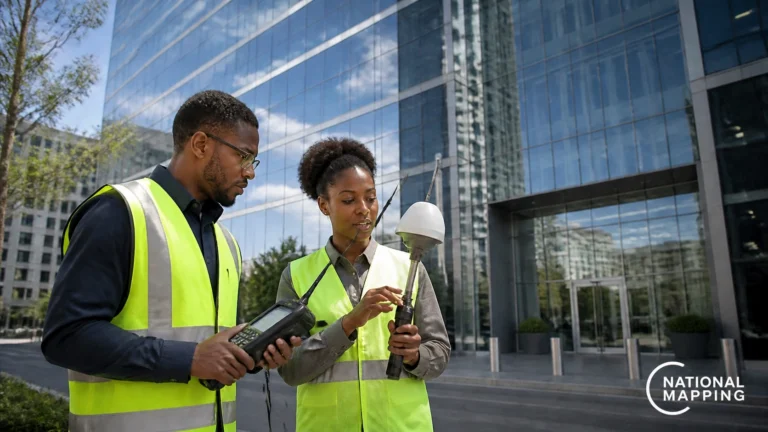
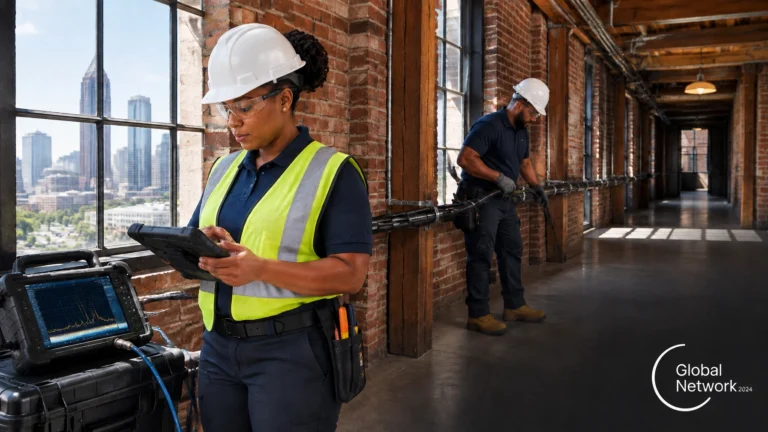
- Initial RF Site Surveys & Predictive Modeling: Pinpointing dead zones with precision.
- Custom Engineering & System Design: Designing Bi-Directional Amplifier (BDA) architecture, donor antennas, and fiber-optic or coaxial distribution paths.
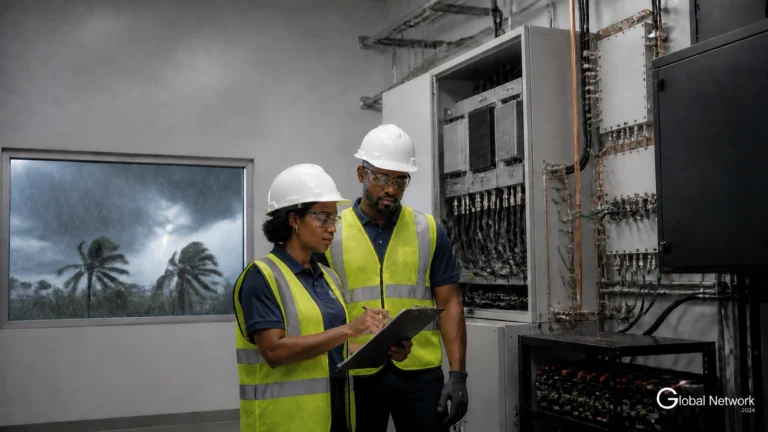
- Code-Compliant Installation: Utilizing fire-rated cabling and NEMA-rated enclosures.
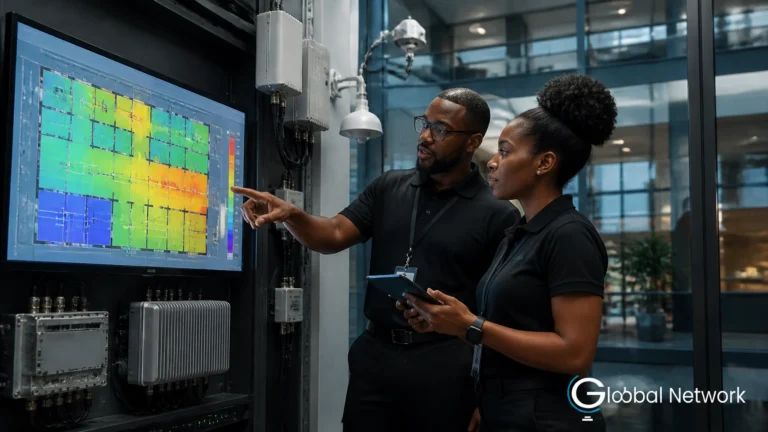
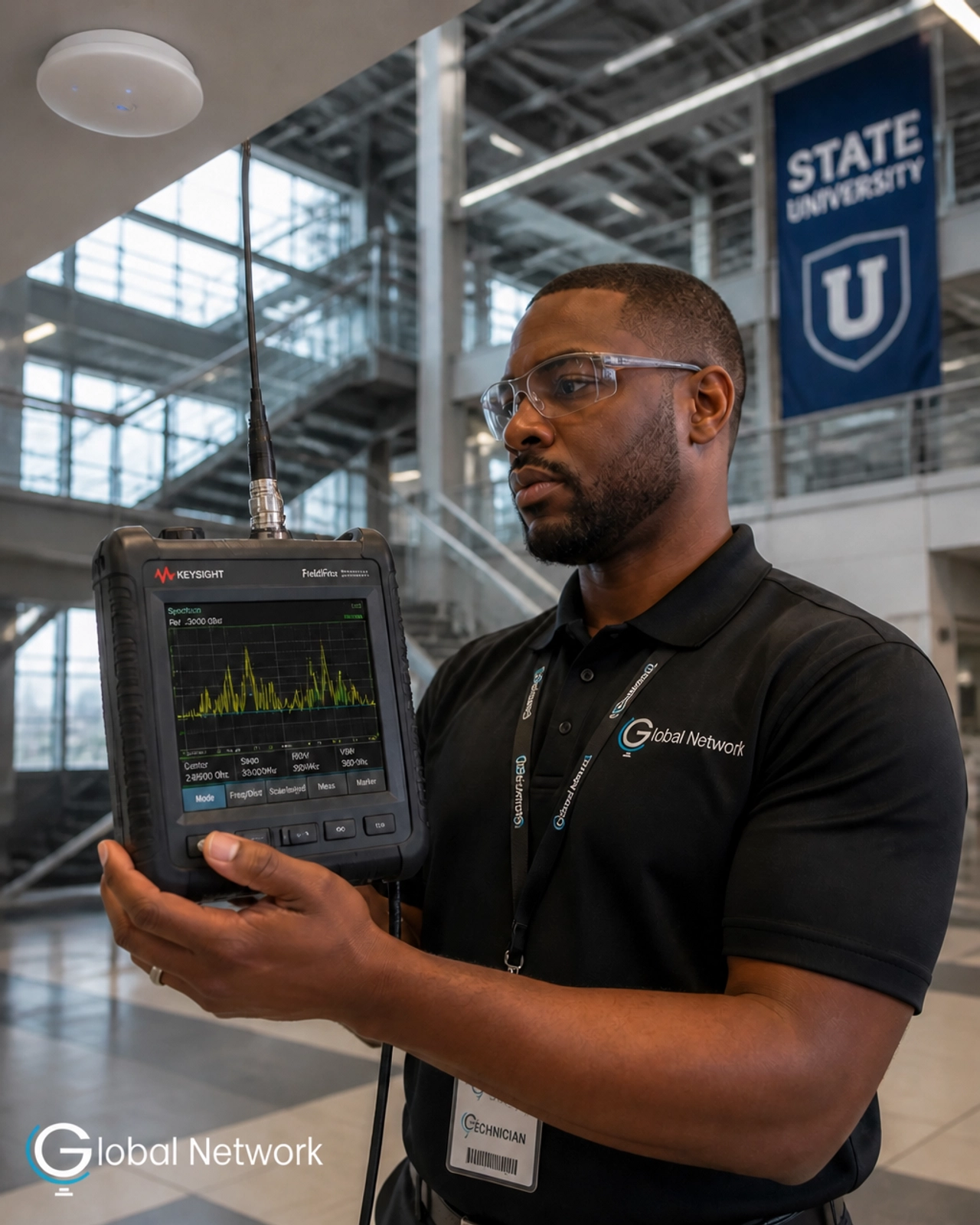
- Commissioning and Acceptance Testing: Conducting rigorous 20×20 grid testing to guarantee signal strength thresholds.

3. Critical Questions to Ask Potential Partners During the RFP Process
When vetting prospective ERCES contractors, do not settle for superficial sales pitches. Ask targeted, technical questions designed to expose their operational depth:
- What specific editions of IFC 510 and NFPA standards do your systems adhere to, and how do you handle local municipal amendments?
- Do you self-perform all installation and RF testing work using certified internal personnel, or do you subcontract critical engineering tasks?
- Can you walk us through your typical compliance pathway from initial site survey to final AHJ sign-off and Certificate of Occupancy issuance?
- How do you mitigate donor-to-service antenna isolation issues and prevent dangerous system oscillation or interference with public safety radio towers?
- What ongoing annual testing and maintenance service agreements do you provide to ensure lifelong code compliance?
For a deeper checklist to protect your occupancy timeline, consult The Ultimate Public Safety DAS & BDA Compliance Checklist: Securing Your Certificate of Occupancy.

4. Red Flags to Avoid in the Atlanta Market
Protecting your facility means recognizing warning signs that separate professional engineering firms from subpar vendors:
- Vague Compliance Guarantees: Contractors who promise a "guaranteed pass" without conducting a preliminary on-site RF survey or mentioning grid testing protocols.
- Lack of Public Safety Specialization: General low-voltage, security camera, or Wi-Fi contractors attempting to install public safety BDAs without understanding RF filtering, intermodulation, and FCC licensing rules.
- Absence of Dedicated Monitoring Integration: Failing to tie the BDA alarm panel into the building’s main fire alarm control panel in strict accordance with NFPA 72.
- No Post-Installation Documentation: Vendors who fail to provide comprehensive as-built drawings, grid test reports, and AHJ acceptance certificates upon project completion.
Choosing local expertise ensures accountability and seamless coordination with municipal inspectors. Discover why regional leadership matters by reviewing Local Expertise: Why Atlanta Property Owners Trust Global Network LLC.
5. Lifecycle Support, Commissioning, and Ongoing Compliance
An ERCES is not a "set-it-and-forget-it" appliance. Building modifications, tenant build-outs, and evolving municipal radio frequencies mean your system requires ongoing vigilance. Furthermore, fire codes mandate annual performance testing and recertification.
A reputable integration partner provides proactive lifecycle support, including annual system audits, battery backup health assessments, active alarm monitoring, and firmware updates. By committing to rigorous maintenance standards, you ensure absolute operational readiness when first responders need it most.

6. Securing Your Certificate of Occupancy with Absolute Confidence
Choosing the right ERCES installation partner in Atlanta is the definitive factor between smooth project delivery and costly occupancy bottlenecks. By prioritizing certified expertise in IFC 510, NFPA 1225, and local AHJ protocols, you protect your building's occupants, fulfill your strict legal responsibilities, and guarantee first responder communication reliability.
At Global Network LLC, we stand at the forefront of in-building wireless solutions, delivering turnkey Public Safety DAS and BDA engineering designed for uncompromising safety and 0% Missed Deadlines.
Contact Our Atlanta Specialists Today
Protect your property, eliminate compliance risks, and guarantee a seamless fire marshal inspection. Contact our engineering team today to schedule your comprehensive site evaluation.
- Office: 770.520.7633
- Toll-Free: 877.231.1084
- Website: Global Network LLC