7 Mistakes You’re Making with NFPA 72 Compliance (and How to Fix Them)
Maintaining compliance with the National Fire Alarm and Signaling Code (NFPA 72) is not merely a bureaucratic requirement; it is a fundamental pillar of life safety and property protection. For building owners, facility managers, and developers, the complexity of these regulations often leads to critical oversights that can result in heavy fines, delayed certificates of occupancy, or, in the worst-case scenario, system failure when it matters most.
As the landscape of Telecommunications Infrastructure and Public Safety Technology evolves, so do the standards governed by the Authority Having Jurisdiction (AHJ). In high-stakes environments, there is no room for error. Achieving 0% Defects in your emergency communication systems requires a proactive approach to engineering and maintenance.
Below are the seven most common mistakes currently being made in the industry regarding NFPA 72 compliance and the strategic solutions required to rectify them.
1. Utilizing the Wrong NFPA 72 Edition for Your Jurisdiction
One of the most frequent administrative errors is the failure to identify which edition of NFPA 72 is currently enforced by your local AHJ. While the NFPA releases updates regularly: including major shifts in the NFPA 72 (2025) monitoring rules: local municipalities may lag behind in adoption. Installing a system based on the 2016 edition when the jurisdiction has moved to the 2022 or 2025 standards can lead to immediate non-compliance.
The Fix: Before any installation or upgrade begins, you must verify the specific code year adopted by your local government. Professional consultants and Atlanta BDA specialists maintain direct lines of communication with local fire marshals to ensure every design aligns with current local mandates. Never assume that "up to code" means the most recent national publication; it means the code legally adopted in your specific zip code.
2. Neglecting Rigorous Fire Alarm and BDA System Testing
Compliance is not a "one-and-done" achievement. Many building owners treat the initial inspection as the final hurdle, neglecting the mandatory recurring testing cycles outlined in NFPA 72 Chapter 14. Fire alarms and Bi-Directional Amplifiers (BDA) can suffer from component degradation, signal interference, or hardware failure over time.
If your Public Safety DAS (Distributed Antenna System) is not delivering the required signal strength to first responders during an emergency, the consequences are catastrophic. Reliable communication is a requirement, not an option.
The Fix: Implement a rigorous, automated testing calendar that includes quarterly and annual inspections. Documented results are mandatory for proving compliance during audits. You should ensure your public safety DAS system is compliant – schedule a test with a certified partner to guarantee your hardware is operational.

3. Geometric Errors in Smoke Detector and Antenna Placement
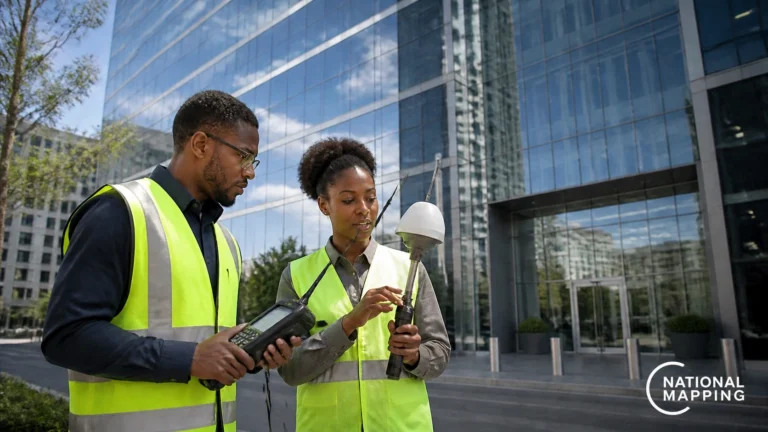
The physical layout of safety devices is governed by strict mathematical and environmental factors. Improper placement of smoke detectors: such as placing them too close to air vents or in "dead air" pockets: renders them useless. Similarly, in the realm of Public Safety Technology, the placement of antennas for a BDA system is critical. If antennas are placed without accounting for building materials like Low-E glass or reinforced concrete, signal "dead zones" will persist.
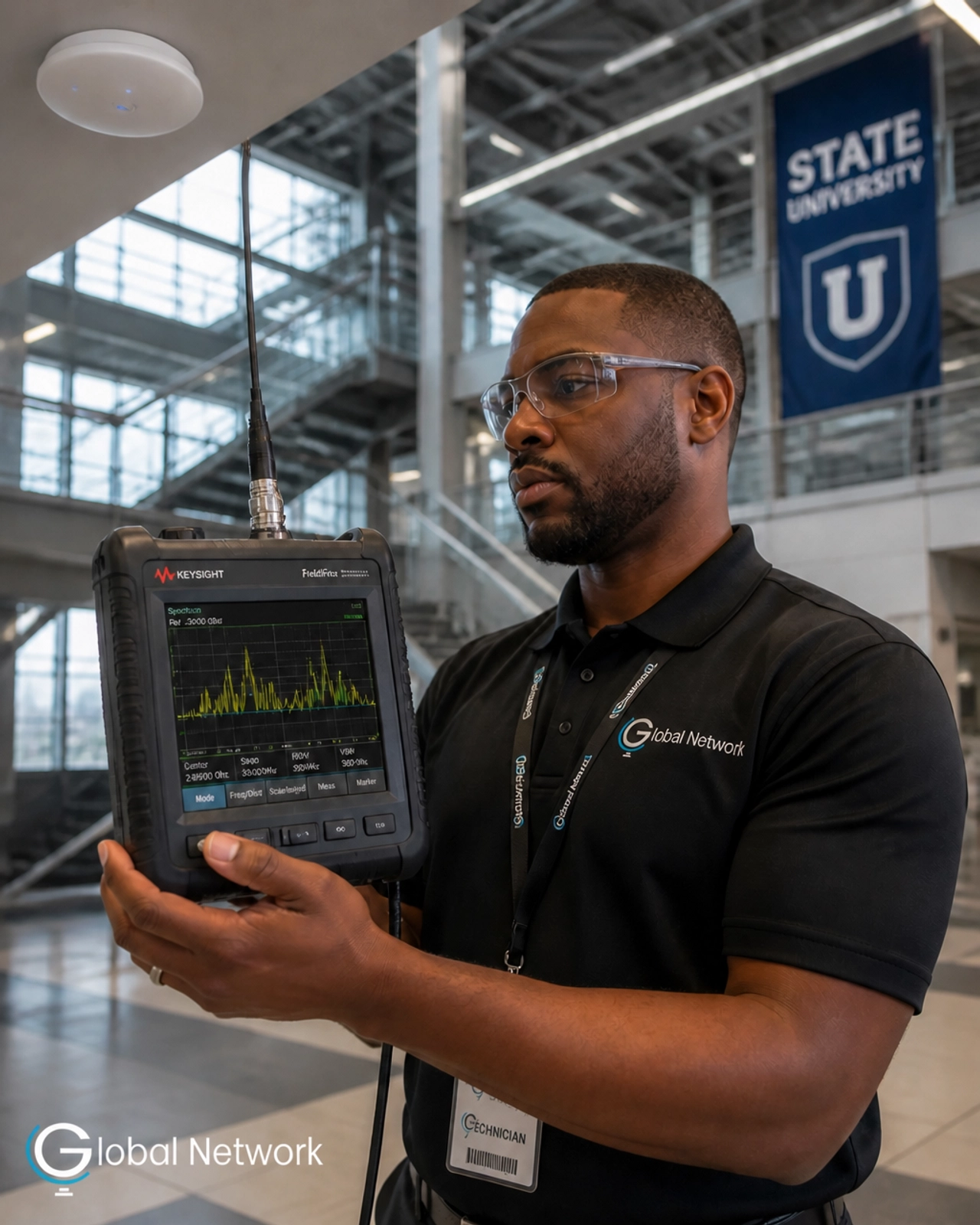
The Fix: Comprehensive site surveys are non-negotiable. For fire detection, spacing must account for ceiling height and airflow. For wireless coverage, a grid test must be performed to identify areas where the Delivered Audio Quality (DAQ) falls below the required threshold of 3.0 or 3.4. Utilizing an expert in cellular DAS ensures that your internal infrastructure supports both commercial and public safety frequencies without interference.
4. Undersizing Power Supplies and Backup Calculations
NFPA 72 and NFPA 1221/1225 (the standards for Emergency Services Communications Systems) have specific requirements for secondary power. A common mistake is calculating the power draw based on standby mode only, failing to account for the massive surge required during a full alarm evacuation. Undersized power supplies lead to system brownouts exactly when the system needs to be at 100% capacity.
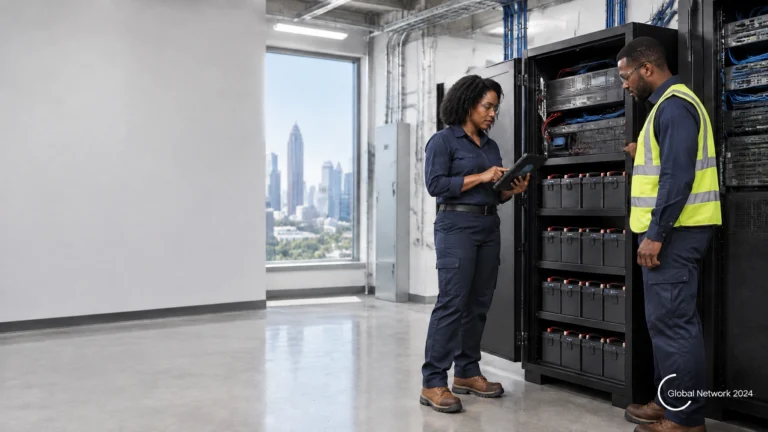
The Fix: Your system must support 24 hours of standby power, followed by a minimum of 15 minutes of full alarm operation for voice evacuation systems (or 5 minutes for standard systems). Engineering teams must perform detailed "battery calc" spreadsheets that account for every device on the circuit, including the BDA and any remote amplifiers.
5. Electrical Code Violations and Wiring Incompatibility
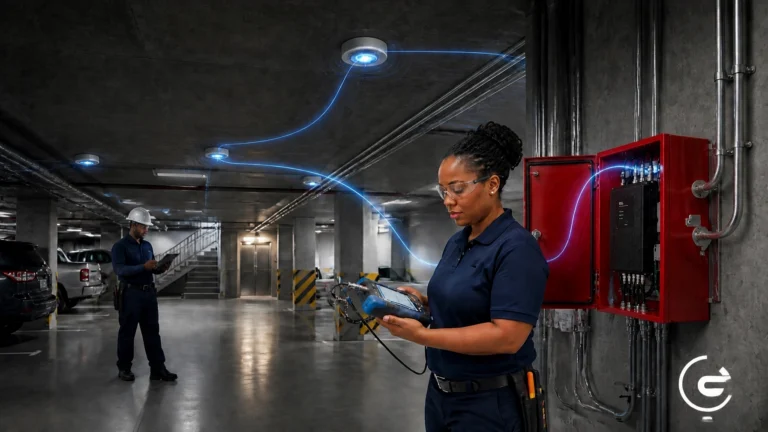
The intersection of NFPA 72 and NFPA 70 (National Electrical Code) is where many contractors fail. Using the wrong gauge of wire, failing to provide proper grounding, or ignoring Pathway Survivability requirements are leading causes of system rejection. In modern high-rise construction, critical circuits must often be protected by 2-hour fire-rated cables or enclosures.
The Fix: Only hire a certified network cable technician who understands the nuances of Circuit Integrity (CI) cable and specialized conduit requirements. Proper installation methods prevent false alarms caused by electromagnetic interference and ensure that the communication backbone remains intact even during an active fire.

6. Fragmented or Missing Documentation for the AHJ
Even a perfectly functioning system is non-compliant if the paperwork is missing. The AHJ requires a "Sequence of Operations" matrix, floor plans, battery calculations, and a record of completion. If these documents are scattered across different departments or lost in physical filing cabinets, you will fail your audit.
The Fix: Transition to a centralized, cloud-based record management system. Every inspection log, certification, and repair order should be digitized and tagged with the relevant code references. When an inspector asks for proof of the last sensitivity test for your smoke detectors, you should be able to provide it instantly. Professionalism in documentation reflects the reliability of the system itself.
7. Failing to Account for Battery Aging and Load Testing
Batteries are the most common point of failure in any life safety system. Many facility managers rely on a simple visual inspection, checking for leaks or corrosion. However, a battery can look perfect while having lost 50% of its capacity due to age or temperature fluctuations in the equipment room.
The Fix: Annual load testing is a mandatory requirement under NFPA 72. Batteries should typically be replaced every three to five years, regardless of their appearance. Regular maintenance contracts should include a specific line item for battery impedance testing to ensure they can sustain the system during a total primary power failure.

Why an Atlanta BDA Specialist is Non-Negotiable
For those managing properties in the metropolitan Atlanta area, local ordinances often add another layer of complexity to national standards. An Atlanta BDA specialist understands the specific requirements of the Georgia State Fire Code and the unique RF (Radio Frequency) environment of the city.
At Global Network LLC, we prioritize safety and reliability above all else. We understand that in an emergency, "good enough" is a dangerous gamble. Our approach to Public Safety Technology is built on a foundation of:
- Strict Adherence to Standards: We monitor the latest advancements in NFPA 72 and IFC 510 to ensure your building remains a leader in safety.
- Engineering Excellence: From initial design to final commissioning, we target 0% Missed Deadlines and absolute accuracy in signal grid testing.
- Mission-Driven Solutions: We don't just install hardware; we protect the first responders who protect our community.
Whether you are overseeing a university campus or a high-density commercial complex, the integrity of your emergency communication system defines your commitment to public safety.
Take Control of Your Compliance Today
Don't wait for an inspection failure or, worse, a communication breakdown during a crisis. The path to NFPA 72 compliance requires a partner who stays at the forefront of industry advancements.
Global Network LLC is ready to assist with:
- NFPA 72 and IFC Code Compliance Audits.
- Design and Installation of Public Safety BDA/DAS Systems.
- Comprehensive Wireless Grid Testing and Certification.
- Ongoing Maintenance and 24/7 Monitoring Solutions.
Ensure your facility is protected when it matters most.
Contact Global Network LLC
For professional consultations and code-compliant installations:
Phone: (404) 123-4567
Website: https://globalnetworkco.com
Inquiries: https://globalnetworkco.com/contact
Learn more about our mission and corporate responsibility as we continue to lead the industry in reliable telecommunications infrastructure.